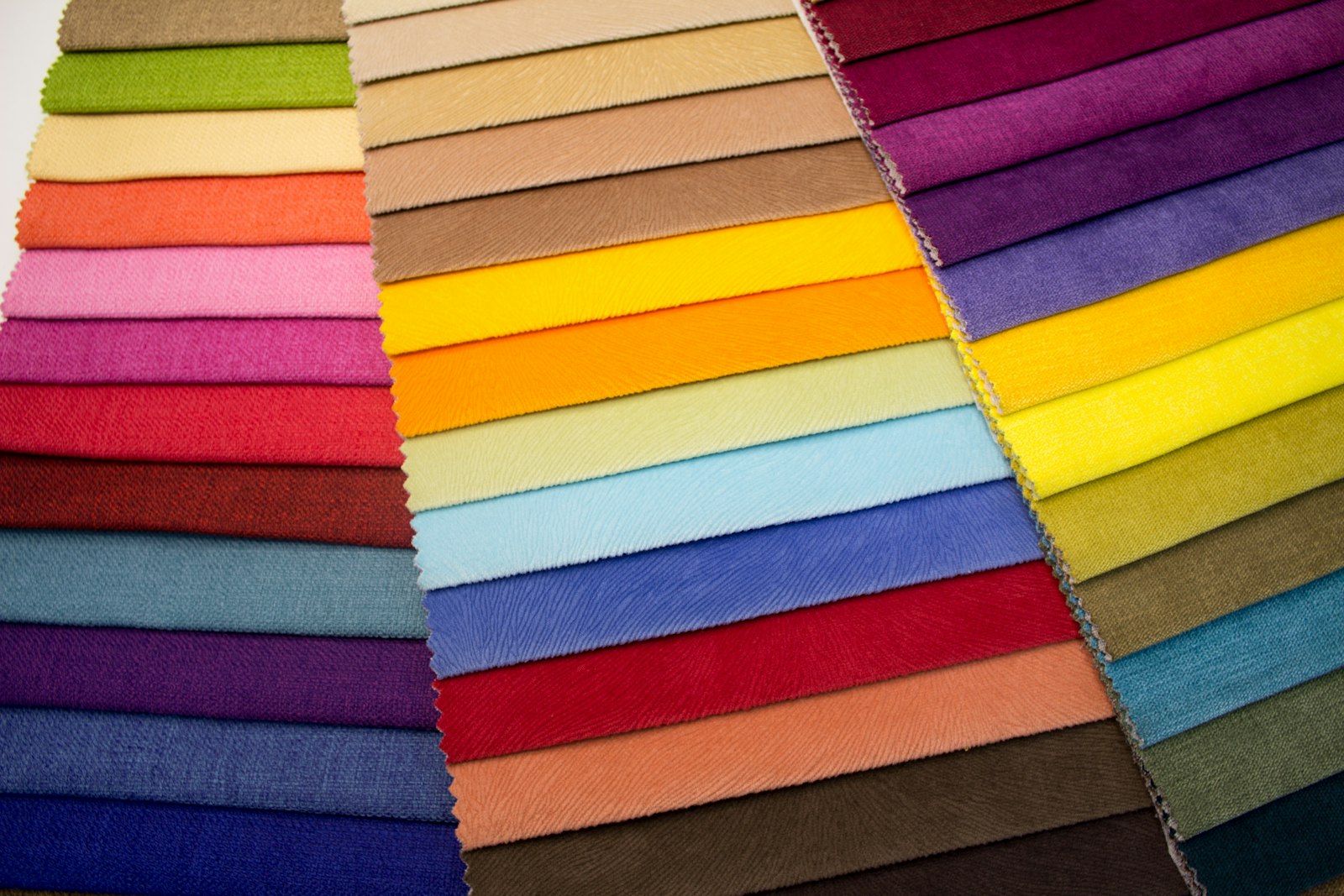
The fabric decides how a piece feels, how it wears and how to wash it. Knowing the basics helps you shop smarter.
Style notes
- Natural fibers like cotton, linen and wool breathe well; synthetics like polyester are durable and quick-drying.
- Linen is cool but creases easily; wool is warm and resists odors but can shrink in hot water.
- Rayon, including viscose and modal, is made from plant cellulose and often needs gentle washing.
- In the US, most clothing labels must list fiber content by percentage, which helps you predict care needs.
Two shirts can look similar on the hanger and behave very differently once you wear and wash them. The fiber content on the label tells you why.
Common fabrics compared
| Fabric | Feel and wear | Care notes |
|---|---|---|
| Cotton | Soft, breathable, everyday | Usually machine-washable; can shrink in hot water |
| Linen | Cool and crisp; creases easily | Often washable; creases are part of its character |
| Wool | Warm, breathable, resists odors | Cool wash or hand-wash; dry flat to avoid shrinking |
| Silk | Smooth, light, drapes well | Often hand-wash or dry-clean; follow the label |
| Polyester | Durable, resists wrinkles, quick-drying | Machine-washable; can hold odors |
| Nylon | Strong, light, stretchy | Machine-washable; avoid high heat |
| Rayon (viscose, modal, lyocell) | Soft and drapey | Often gentle wash; some types shrink |
| Elastane (spandex) | Adds stretch in blends | Avoid high dryer heat |
Reading fiber content
In the US, most clothing labels list fiber content by percentage, such as “95% cotton, 5% elastane.” The main fiber usually decides how the garment feels and how you should wash it, while small amounts of other fibers add stretch or strength.
Styling tip
Feel the fabric and check the label before buying basics you’ll wear often. A tee with a dense, smooth weave usually holds its shape better than a thin, loosely knit one.
About “bamboo” fabrics
Most soft fabrics marketed as bamboo are actually rayon made from bamboo pulp. The FTC says the word “bamboo” alone should be used only for textiles made directly from bamboo fiber, and bamboo-based rayon should be labeled as rayon, for example “rayon made from bamboo.” Check the label to know what you’re buying.
Choosing fabrics for your needs
- Travel: knits, merino wool and fabrics with stretch resist creasing; see our carry-on packing guide.
- Work: wool blends and cotton with a dense weave look sharp.
- Hot weather: linen and lightweight cotton.
Fit check
Whatever the fabric, the care label has the final say. Our guide to reading care labels explains what each instruction means.
Look after them
Fabric care makes a big difference to how long clothes last. Our guide to washing delicates covers the most fragile fibers.
Style Q&A
Which fabric is best for hot weather?
Lightweight, breathable fabrics such as linen and cotton are good choices. Loose fits help air circulate.
Why does polyester sometimes smell after workouts?
Synthetic fibers can hold on to body odors more than natural fibers. Washing promptly and not leaving damp clothes in a bag helps.
What does a blend do?
Blends combine fibers to balance their qualities, such as cotton with a little elastane for stretch, or wool with nylon for durability.